
- Messages
- 1,841
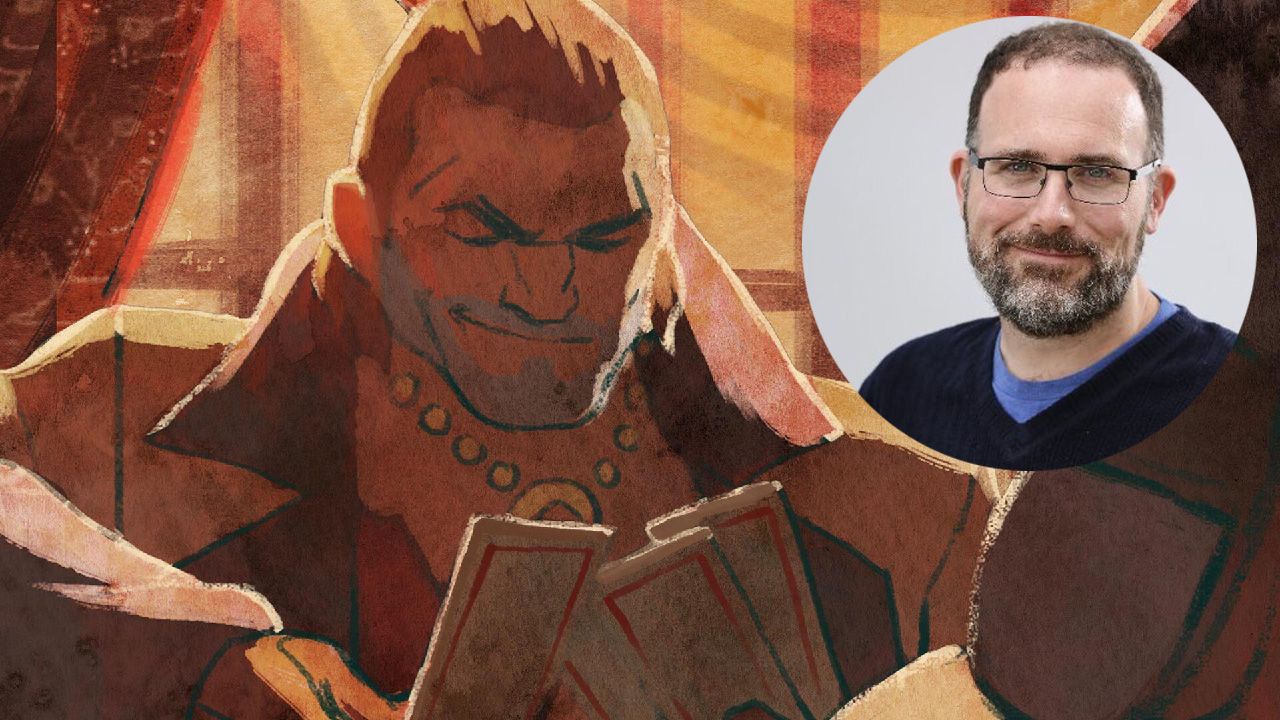
Josh Sawyer, Mike Laidlaw, Strix Beltran, Pawel Sasko, and Lis Moberly discussed writing and other design aspects of RPGs in an interview with PC Gamer.

 www.pcgamer.com
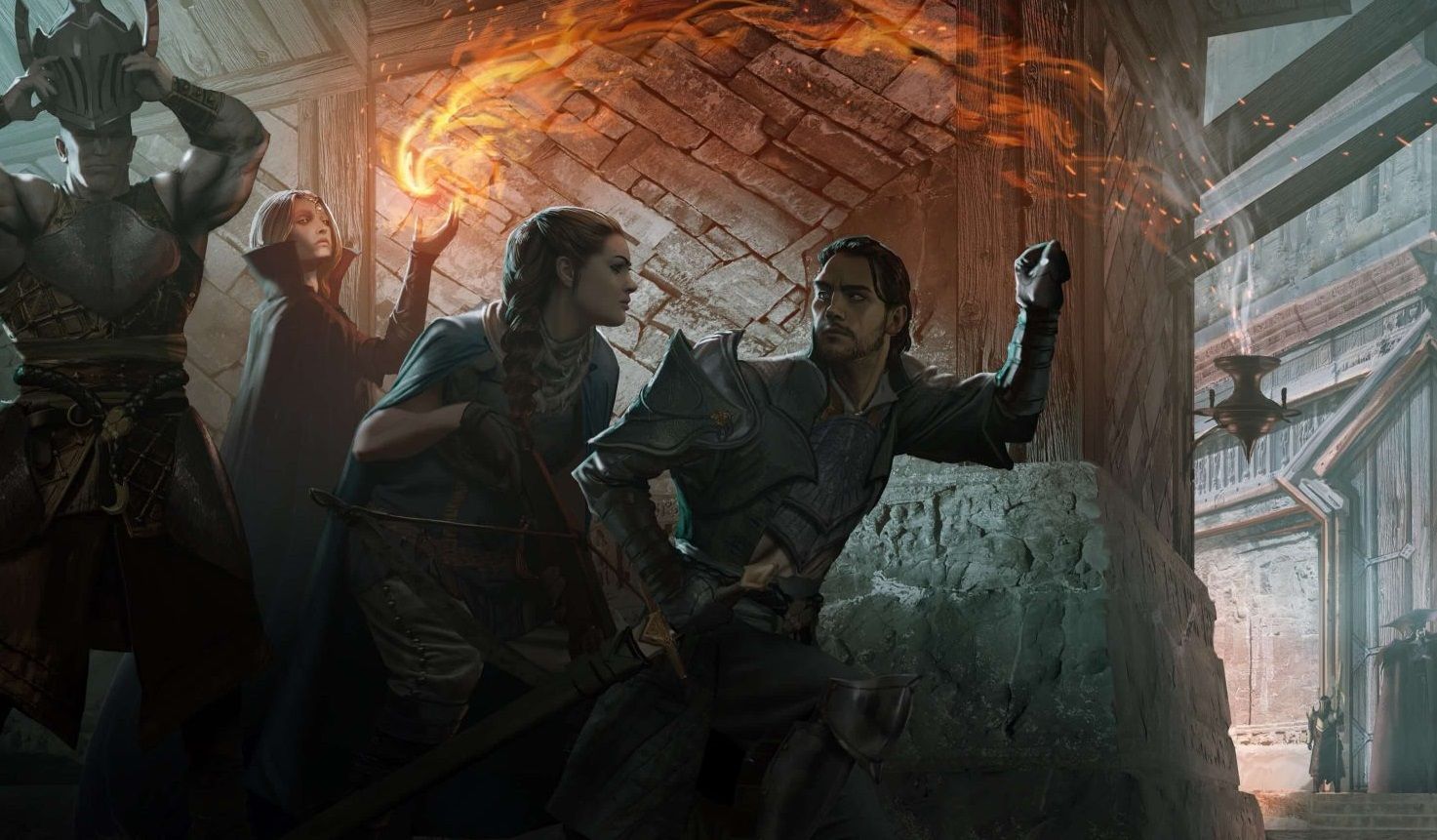
Before that interview happened, PC Gamer published the following article:
 www.pcgamer.com
It caused quite "a commotion" between the lead designers at developer CD Projekt Red (per Pawel Sasko). "Everyone actually, after reading this article, said: we mostly agree, actually, with the thesis. At least when it comes to triple-A, we are just running at a fucking wall, I think, and we're gonna crash on that wall really soon."
Sasko's comments above kicked off a discussion on the technology behind today's big-budget games and the expectations players have for them. The "wall" Sasko referred to is the ballooning complexity and expense of making games like Cyberpunk 2077. Before it released, I think it's safe to say many RPG players assumed that if CD Projekt had done such a fantastic job with The Witcher 3, it should be able to do the same with Cyberpunk.
"Witcher 3 has so many fucking tricks," Sasko said, explaining one in particular—the way it would often cut to black to stage scenes or transition between bits of a quest, letting the developers spawn or despawn objects, and change the weather or time of day. "Sometimes there's a scene of a guy behind a bar, and he's like, submerged waist-up to the terrain because we didn't have animation. So he's just sitting there. But he looks perfectly fine in that scene, and it looks like he actually matches and everything works.
"Then you look at Cyberpunk. No cuts, no black screens, you're 'in' V all the time. Staging is in-person. It got so incredibly more expensive to generate branches. Adding branches to Witcher 3 was so easy in comparison to Cyberpunk. This article really sparked that discussion."
CD Projekt's designers felt strongly that the "no-cuts" first-person perspective was important for the game, but Pawel said they need to find a solution for "scalability of narrative: you want your story to be long, but also be broad, so we try to provide all the branches and choices and consequences." Doing that with their current tools requires an enormous budget. Disco Elysium, he pointed to as a contrast, was able to add narrative branches incredibly cheaply, thanks to the text-heavy, top-down presentation.
Former Dragon Age creative director Mike Laidlaw said the primary challenge, to him, is controlling player expectations. "As soon as you're delivering something that starts to be cinematic, you then are essentially inviting comparison to the most cinematic things. So you are kind of keeping pace with Naughty Dog or Cyberpunk," he said. Laidlaw witnessed the rise of cinematic RPGs firsthand at BioWare, and said that while working on games like Jade Empire and Star Wars: Knights of the Old Republic, they had simple tools for quickly creating most conversations.
"We would drag a stage into a level and that essentially had lights and cameras and a set of animations and stuff. That became a tool that we could use to put a symbol to a conversation. We would call those 'bronze' conversations, but a 'gold' conversation would be, we'd put some art on it. You get someone to do slow zooms, rotates, and Dutch angles and everything. And you had to budget those, so we would very consciously be looking at our scenes and going 'well how many golds can we afford?'"
"I do think what you guys tackled with Cyberpunk was so phenomenally aggressive and I'm terrified at what that must have done to all of you," Laidlaw said, bringing it back to Sasko's comments. "It was like the unbroken perspective of Half-Life 2 but with all the branching and stuff from all your titles. It was a phenomenal achievement, I think, but I imagine expensive in a deeply personal level on top of the money."
 www.pcgamer.com
RPG roundtable podcast: Josh Sawyer, Mike Laidlaw, Strix Beltran, Paweł Sasko, and Lis Moberly go deep on writing and playing RPGs
Listen to our 80-minute discussion with five veteran RPG designers.
Before that interview happened, PC Gamer published the following article:
The cinematic BioWare-style RPG is dead, it just doesn't know it yet
Flashy, blockbuster RPGs feel increasingly dated in the face of a tidal wave of fresh novelties.
It caused quite "a commotion" between the lead designers at developer CD Projekt Red (per Pawel Sasko). "Everyone actually, after reading this article, said: we mostly agree, actually, with the thesis. At least when it comes to triple-A, we are just running at a fucking wall, I think, and we're gonna crash on that wall really soon."
Sasko's comments above kicked off a discussion on the technology behind today's big-budget games and the expectations players have for them. The "wall" Sasko referred to is the ballooning complexity and expense of making games like Cyberpunk 2077. Before it released, I think it's safe to say many RPG players assumed that if CD Projekt had done such a fantastic job with The Witcher 3, it should be able to do the same with Cyberpunk.
"Witcher 3 has so many fucking tricks," Sasko said, explaining one in particular—the way it would often cut to black to stage scenes or transition between bits of a quest, letting the developers spawn or despawn objects, and change the weather or time of day. "Sometimes there's a scene of a guy behind a bar, and he's like, submerged waist-up to the terrain because we didn't have animation. So he's just sitting there. But he looks perfectly fine in that scene, and it looks like he actually matches and everything works.
"Then you look at Cyberpunk. No cuts, no black screens, you're 'in' V all the time. Staging is in-person. It got so incredibly more expensive to generate branches. Adding branches to Witcher 3 was so easy in comparison to Cyberpunk. This article really sparked that discussion."
CD Projekt's designers felt strongly that the "no-cuts" first-person perspective was important for the game, but Pawel said they need to find a solution for "scalability of narrative: you want your story to be long, but also be broad, so we try to provide all the branches and choices and consequences." Doing that with their current tools requires an enormous budget. Disco Elysium, he pointed to as a contrast, was able to add narrative branches incredibly cheaply, thanks to the text-heavy, top-down presentation.
Former Dragon Age creative director Mike Laidlaw said the primary challenge, to him, is controlling player expectations. "As soon as you're delivering something that starts to be cinematic, you then are essentially inviting comparison to the most cinematic things. So you are kind of keeping pace with Naughty Dog or Cyberpunk," he said. Laidlaw witnessed the rise of cinematic RPGs firsthand at BioWare, and said that while working on games like Jade Empire and Star Wars: Knights of the Old Republic, they had simple tools for quickly creating most conversations.
"We would drag a stage into a level and that essentially had lights and cameras and a set of animations and stuff. That became a tool that we could use to put a symbol to a conversation. We would call those 'bronze' conversations, but a 'gold' conversation would be, we'd put some art on it. You get someone to do slow zooms, rotates, and Dutch angles and everything. And you had to budget those, so we would very consciously be looking at our scenes and going 'well how many golds can we afford?'"
"I do think what you guys tackled with Cyberpunk was so phenomenally aggressive and I'm terrified at what that must have done to all of you," Laidlaw said, bringing it back to Sasko's comments. "It was like the unbroken perspective of Half-Life 2 but with all the branching and stuff from all your titles. It was a phenomenal achievement, I think, but I imagine expensive in a deeply personal level on top of the money."
'We're running at a f**king wall, and we're gonna crash'—CD Projekt's lead quest designer on big budget RPGs
During an RPG designer roundtable organized by PC Gamer, Cyberpunk 2077 quest director Pawel Sasko and other veterans talk about the "staggering" complexity of triple-A games.