Astronomers have discovered a new object from beyond our solar system.
The object, originally called A11pl3Z and now known as 3I/Atlas, was first reported by the Asteroid Terrestrial-impact Last Alert System (Atlas) survey telescope in Río Hurtado, Chile, on Tuesday.
According to Nasa, subsequent analysis of data collected by various telescopes before this date has extended observations back to 14 June, and further observations have also been made. As a result, experts have been plotting the path of the visitor.
Now about 416m miles away from the sun and travelling from the direction of the constellation Sagittarius, the object is believed to be whizzing through the solar system at about 60km/s relative to the sun on a highly eccentric, hyperbolic orbit. That suggests that, like the cigar-shaped object
’Oumuamua that appeared in 2017 and the comet
2I/Borisov that turned up in 2019, it is a visitor from afar.
Dr Mark Norris, a senior lecturer in astronomy at the University of Central Lancashire, said: “If confirmed, it will be the third known interstellar object from outside our solar system that we have discovered, providing more evidence that such interstellar wanderers are relatively common in our galaxy.”
While the nature of the new visitor was not initially apparent, the Minor Planet Center has revealed that
tentative signs of cometary activity have been spotted, noting that the object has a marginal coma and short tail. As a result, the object has been given the additional name of C/2025 N1.
While some experts have suggested the object could be as large as
12 miles (20km) in diameter – bigger than the space rock that wiped out the non-avian dinosaurs – it seems Earth residents do not need to worry.
Nasa said: “The comet poses no threat to Earth and will remain at a distance of at least 1.6 astronomical units [about 150m miles].”
Colin Snodgrass, a professor of planetary astronomy at the University of Edinburgh, said the object could turn out to be smaller.
“Based on the brightness reported in the initial observations, that translates to a 20km asteroid if you assume typical properties, but only if you assume it is an asteroid and not a comet,” he said. “There are reports that it shows a small comet-like tail, so that implies a lot of the brightness will be from the coma (atmosphere) of dust around the object, and it is likely that the solid nucleus is smaller.”
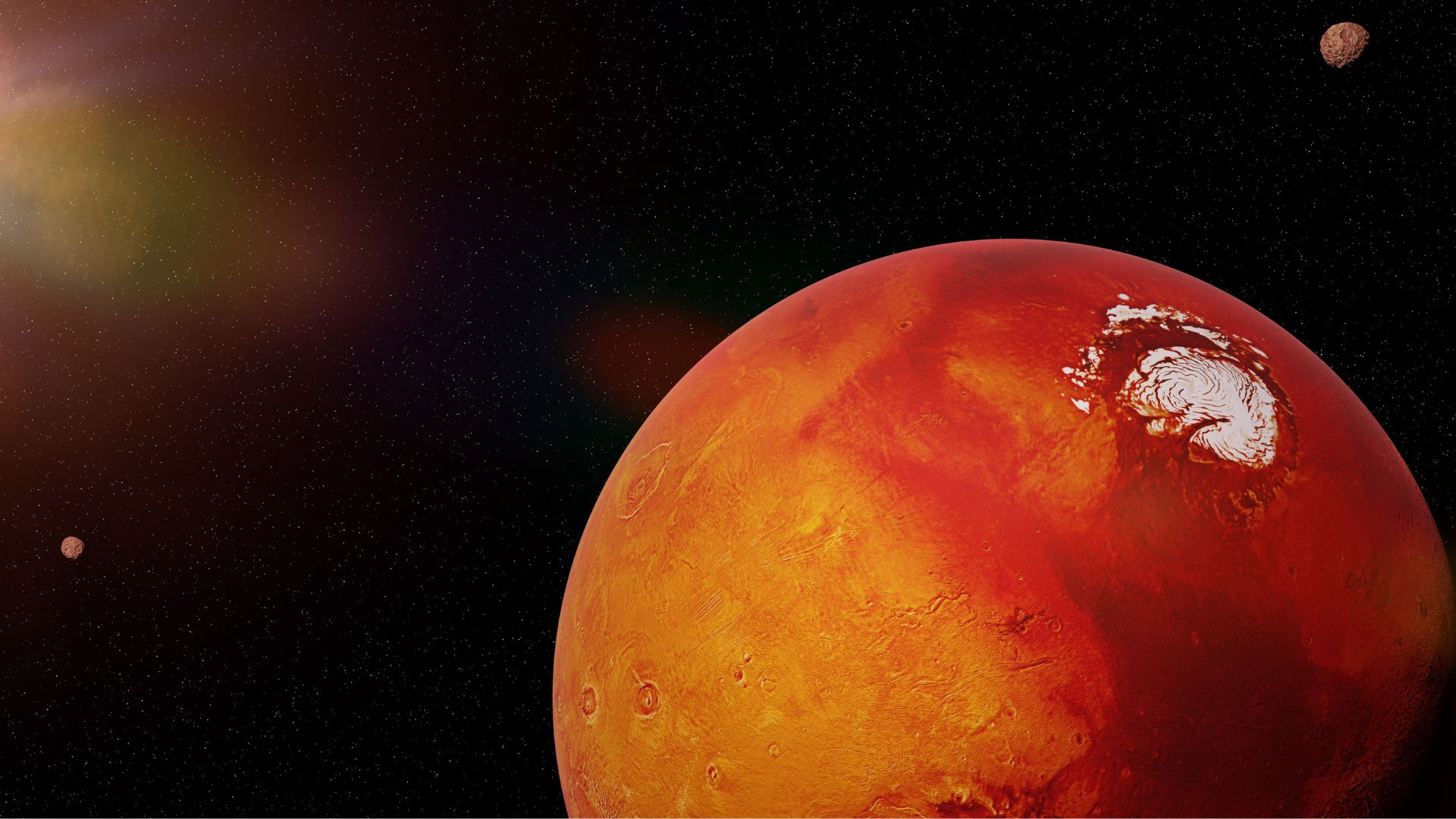
Nasa said the object would reach its closest approach to the sun around 30 October, coming within about 130m miles of the star – or just within the orbit of Mars. The comet is then expected to leave this solar system and head back out into the cosmos.
Astronomer says object could be further evidence that ‘interstellar wanderers’ are common in galaxy

www.theguardian.com